

Blog
How to Protect Dining Chairs From Everyday Wear

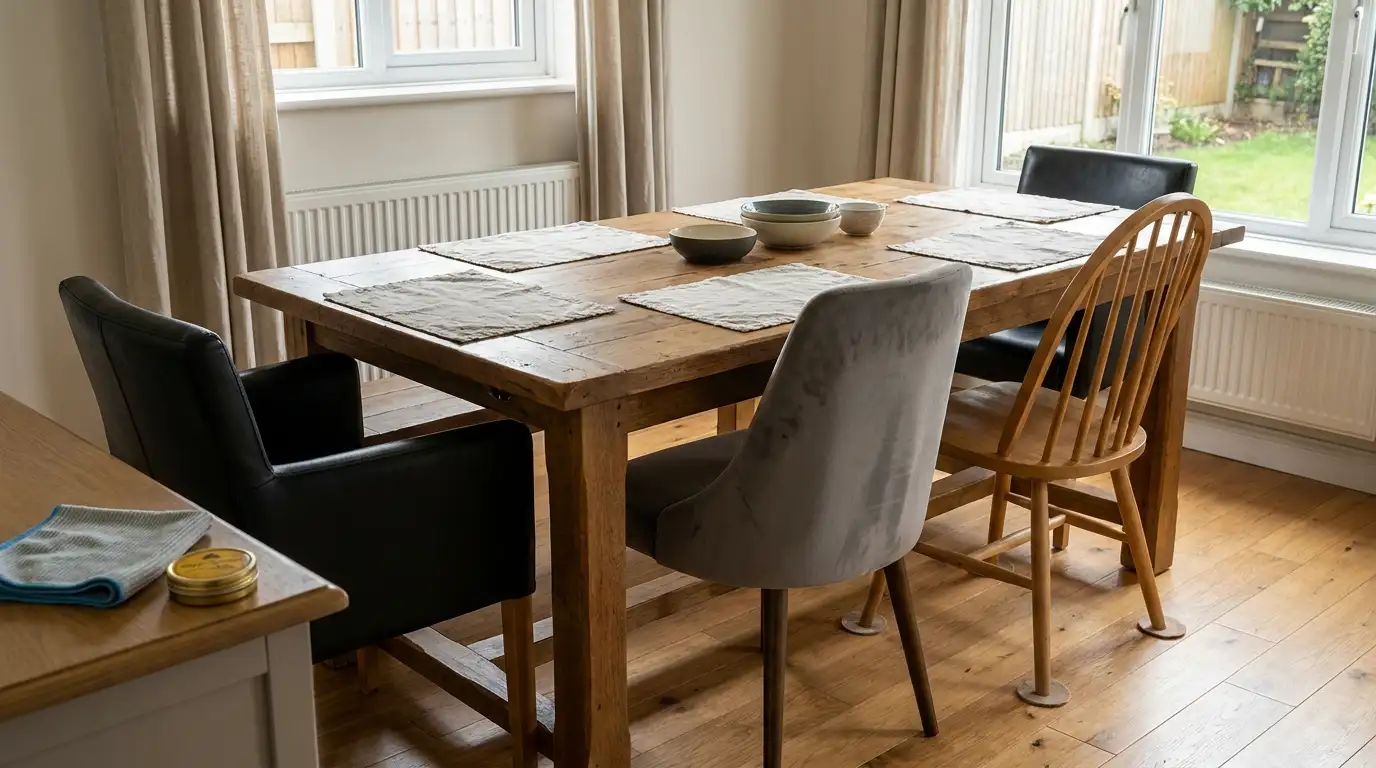
Dining chairs work harder than almost any other furniture in your home. They are pulled out, pushed in, sat on and spilled on, often several times a day. Add school bags, pets and busy evenings, and the wear adds up fast.
The good news is that most damage is easy to prevent. Learning how to protect dining chairs takes a few small habits, not a big effort. This guide covers daily care, spills, floors, sun and heat, and what each material needs.
For help choosing chairs in the first place, read our complete UK dining chairs buying guide. Here, we focus on keeping the chairs you have looking good for longer.
Quick answer: wipe spills straight away and blot, never rub. Clean weekly with a soft damp cloth or a gentle vacuum. Fit felt pads or rubber caps under the feet. Lift chairs instead of dragging them. Keep them away from direct sun and heat. Tighten the fixings now and then. Avoid bleach and harsh cleaners on any material.
Why Dining Chairs Wear Out
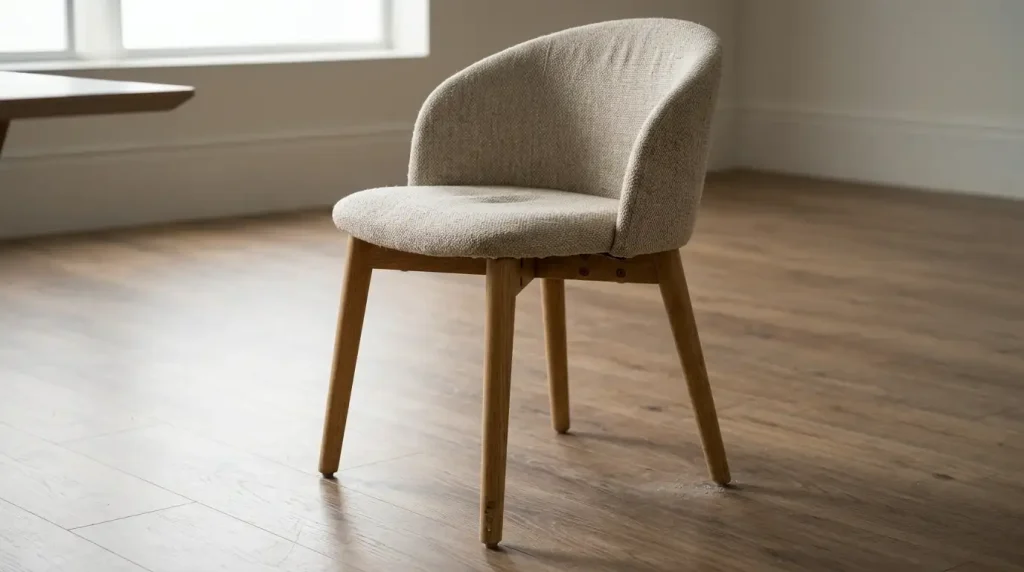
Every part of a chair faces a different threat. Knowing the threat helps you pick the fix.
| Part of the chair | What wears it | Best protection |
| Seat surface | Daily sitting, spills, heat | Quick cleaning and gentle products |
| Backrest | Rubbing from clothes and bags | Regular wipe or brush |
| Legs and feet | Dragging and scraping | Felt pads or rubber caps |
| Joints and fixings | Rocking, tipping, heavy use | Tightening and no rocking |
| Colour and finish | Sunlight and heat | Moving chairs away from windows and radiators |
| Your floor | Chair feet and trapped grit | Pads, lifting and clean feet |
You do not need to do everything at once. Start with the habits that match your biggest problem.
How to Protect Dining Chairs: Simple Daily Habits
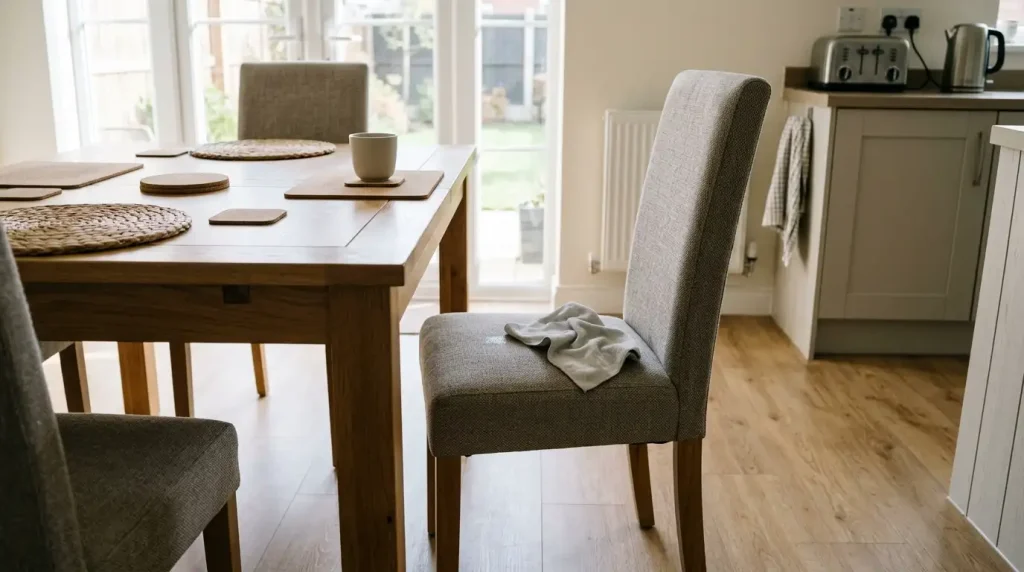
Small habits do most of the work. These take seconds and save a lot of money.
- Clean spills straight away. Fresh spills lift far more easily than dried ones.
- Blot, do not rub. Rubbing can spread a stain and push it deeper.
- Lift, do not drag. Dragging scrapes the floor and strains the joints.
- Keep chairs on four legs. Rocking back puts stress on the joints.
- Do not stand on chairs. They are built for sitting.
- Do not sit on the arms or backs. Extra weight can strain the frame.
- Use placemats and coasters. Hot cups and plates can mark surfaces.
- Wipe hands and faces first. Sticky fingers and oils leave marks over time.
Make these part of the household rules. Children learn fast, and guests follow along.
Protect Your Floors From Your Chairs
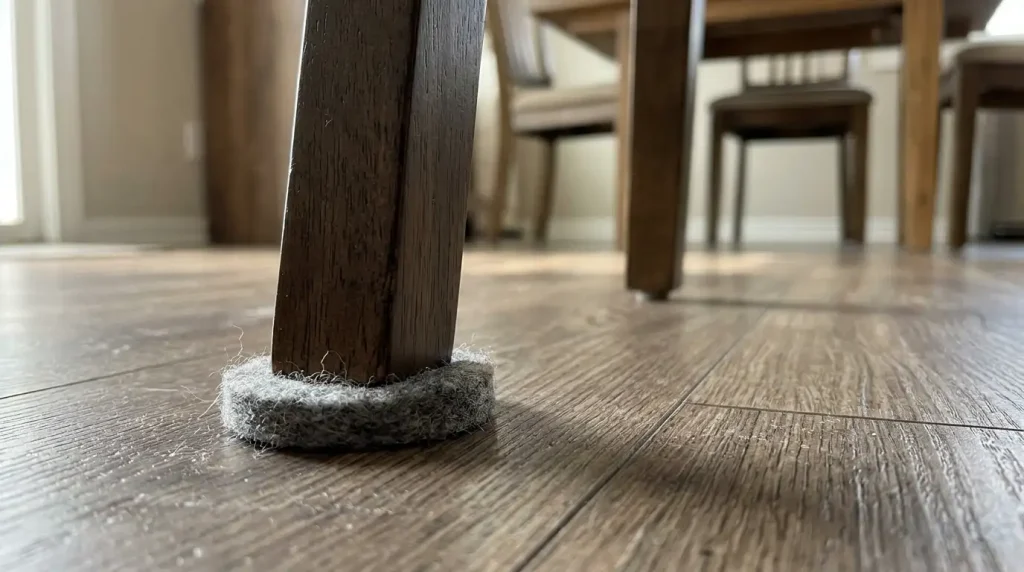
Chairs do not only wear out. They also wear out your floor. Every scrape leaves a mark, and trapped grit makes it worse.
Felt pads. Stick-on felt pads are a simple fix. They slide quietly and protect wood and laminate. Check them often. They get compressed and hard, so plan to renew them every year or two. Wipe grit off the felt with your finger. Grit works like sandpaper.
Rubber caps. Rubber caps are another option. Our set of 2 grey velvet chairs has rubber-capped legs to prevent scratches. Our grey plastic set has them too.
Hard plastic glides. Domed plastic glides can damage wood and laminate. If your chairs have them, consider swapping them for felt pads. Wipe the leg first, then press the pad on flat.
Lifting. Whatever you use, lift the chair when you move it. This protects the floor, the feet and the joints all at once.
| Foot protection | Good for | Check |
| Felt pads | Wood and laminate | Renew every year or two |
| Rubber caps | Most hard floors | Look for cracks or wear |
| Hard plastic glides | Not ideal for wood or laminate | Swap if your floor is marked |
Faux Leather Chairs: How to Care for Them
Faux leather is easy to wipe, but it is not indestructible. The surface is a coating, and the coating is the part that wears first. Once it starts to peel, it is hard to repair. So prevention matters.
Furniture retailer Furniture Choice gives clear care advice, and it matches our own product pages. Here is the routine:
- Dust and vacuum weekly. Use the soft upholstery attachment.
- Wipe with a damp cloth. Use a clean, soft, lint-free cloth, slightly dampened with water.
- Use mild soap for tougher marks. Choose a little non-alkaline, non-detergent soap on a soft cloth.
- Wipe off body oils and marks promptly. They can stain over time.
- Skip bleach and household cleaners. They can damage the dyes and surface.
Our product pages for faux leather chairs say the same. They recommend regular light cleaning with a soft, damp cloth, and no harsh chemicals or abrasive materials.
Watch out for these:
- Sharp objects. Studs, buckles, jewellery, heels, toys and pet claws can scratch or tear the surface.
- Hot plates and cups. Do not place them directly on the seat.
- Heat and sunlight. Keep faux leather away from both. They can fade colour and damage the surface.
Always test a cleaner on a hidden spot first.
If you are deciding between faux leather and fabric for a bigger set, our guide to faux leather vs fabric dining chairs compares them in detail.
Velvet and Fabric Chairs: How to Care for Them
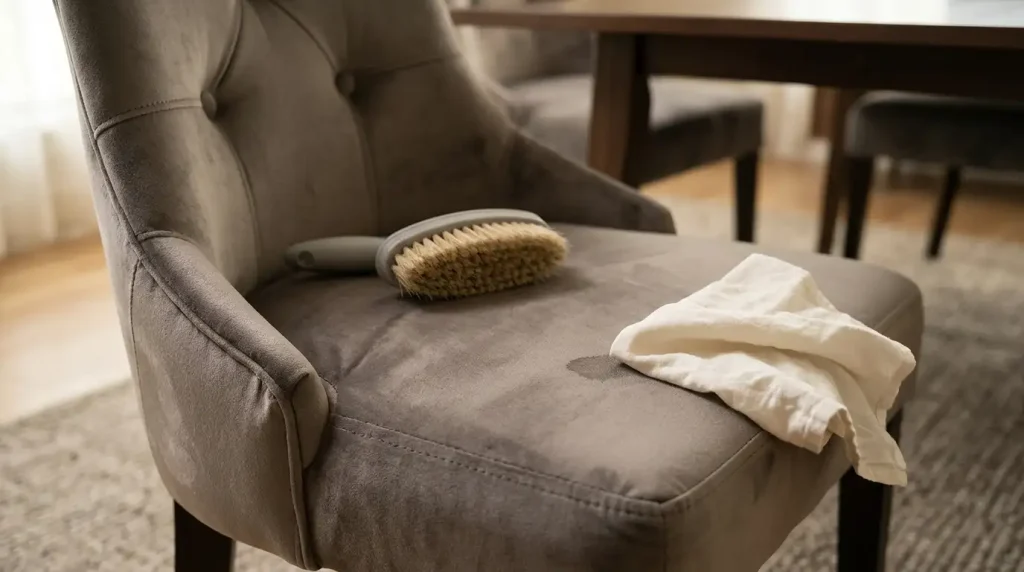
Velvet feels soft and looks rich. It also needs a little more attention than faux leather. Here is a simple routine, based on advice from Ideal Home and our own product pages.
- Vacuum gently. Use a soft brush attachment. Do not press hard, and avoid high-suction heads.
- Dab spills straight away. Use a clean, dry cloth. Do not rub.
- Spot clean. Dip a cloth in warm, soapy water. Dab gently until the mark lifts. You may need a few cloths.
- Try a baking soda paste for tougher marks. Mix it with water, dab it on, and test a hidden area first. Rinse with a fresh damp cloth.
- Let it dry naturally. Do not use a hairdryer.
- Brush the pile. Once dry, brush gently in the direction of the nap. This restores the texture.
Do not let velvet get too wet. Avoid hard-bristle brushes, alcohol and harsh products.
Our velvet chair pages recommend regular light cleaning with a soft, damp cloth. They say to avoid strong cleaners and rough materials. For fabric, they suggest gentle vacuuming or spot cleaning with a mild solution.
Check the care label
Many upholstery care labels use a short code. If your chair has one, here is what it means, according to American Leather.
| Code | Meaning |
| W | Safe to use water-based cleaners or mild detergents |
| S | Use only water-free, solvent-based cleaners |
| WS | Either water-based or solvent-based cleaners are safe |
| X | Do not clean it yourself. Ask a professional |
Always follow the care label that came with your chair.
A Quick Stain Guide
Speed matters more than the cleaner. Here is a simple guide.
| Problem | First step | Avoid |
| Any fresh spill | Blot with a clean, dry cloth | Rubbing |
| Everyday dirt or body oils on faux leather | Wipe with a damp, lint-free cloth | Household cleaners |
| Tough marks on faux leather | Use a little non-alkaline, non-detergent soap | Bleach |
| Ink on faux leather | Carefully use a little rubbing alcohol | Rubbing hard or using too much |
| Grease on faux leather | Try baking soda | Scrubbing |
| Marks on velvet | Dab with warm, soapy water | Soaking the fabric |
| Stubborn marks on velvet | Dab on a baking soda paste after a hidden-spot test | Hairdryers |
Always test any method on a hidden part of the chair first. If a stain does not shift, stop. Further scrubbing can make it worse.
Fabric Protector Sprays: Do They Help?
A fabric protector spray adds a thin barrier. It can help spills sit on the surface for a short time before they soak in. It is not a magic shield, so you still need to blot spills fast.
If you use one:
-
- Check the care label first. Not every finish suits every fabric.
- Test a hidden spot. Make sure the spray does not mark the fabric.
- Protect nearby surfaces. The spray can mark some plastics and wood.
- Hold the can at least 6 inches (about 15cm) away.
- Apply at least two light coats. Allow plenty of drying time between them.
- Follow the product label. It will tell you when to reapply.
- Do not use a spray on faux leather unless the product says it is safe.
Wood, Plastic and Frames: What They Need
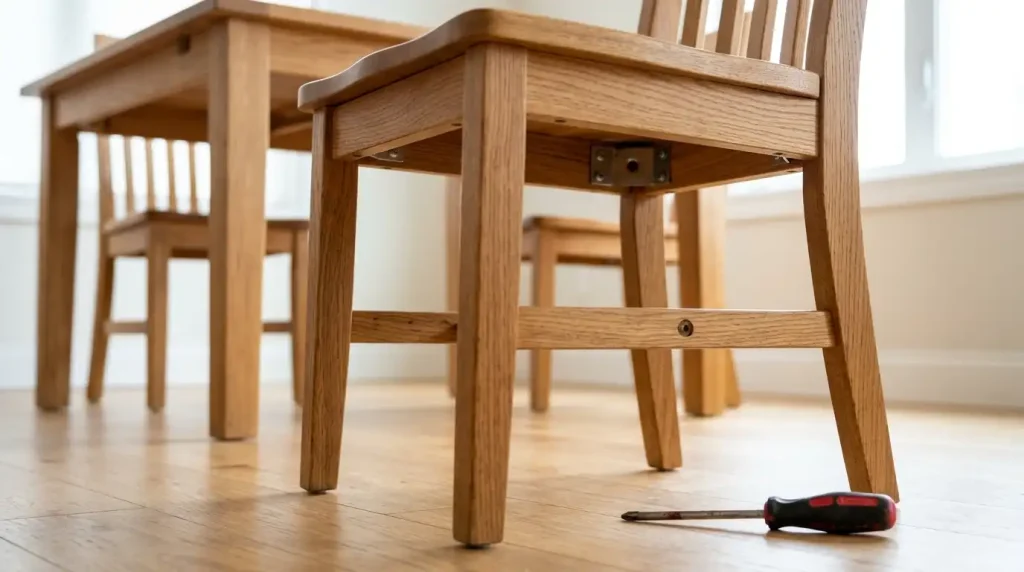
The frame is the part that holds everything together. A little attention goes a long way.
Tighten the fixings. Chairs are flat-pack, and fixings can loosen with daily use. Check them after the first few weeks. After that, check them every so often. If a chair wobbles, tighten the screws. Our 6 seater assembly time guide explains how to build chairs and why final tightening is best done by hand.
Wood legs. Dust them and wipe spills quickly. Keep them away from radiators and damp walls. Our grey plastic chairs have solid beech wood legs with rubber caps.
Plastic seats. Wipe them with a damp cloth and a little mild soap. Avoid abrasive pads, which can dull the finish.
The wobble test. Once a month, press down on each corner of the seat. Check for creaks and movement. A small wobble is easy to fix. A big one can damage the joints.
Protecting Chairs From Children and Pets
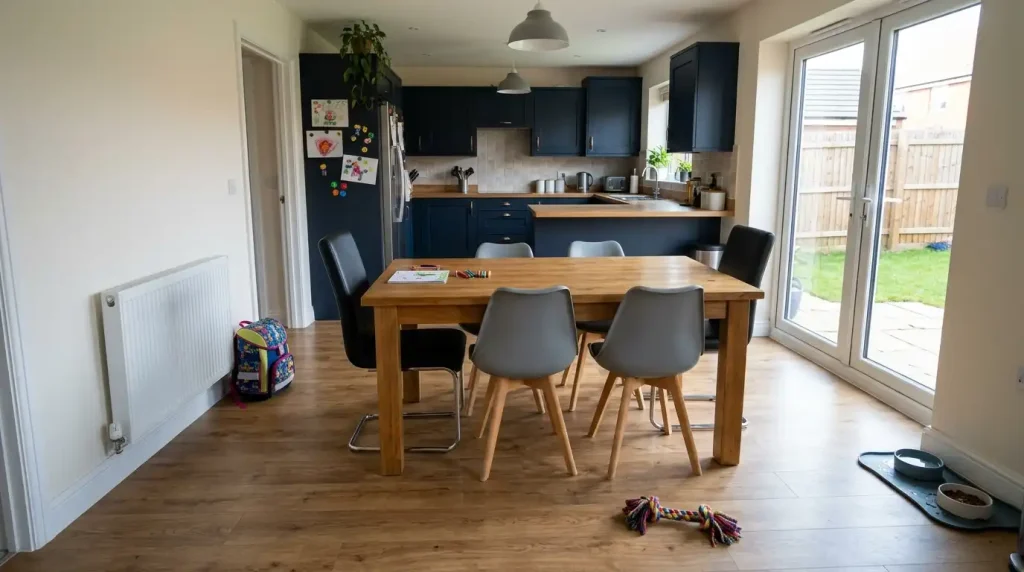
Children and pets are the biggest test for any chair. A few simple rules help.
- Keep sharp items off the seat. Studs, buckles, toys and claws can scratch or tear.
- Avoid standing and bouncing. It strains the frame.
- Wipe sticky hands before sitting. Marks are easier to clean when fresh.
- Use a wipe-clean material. Faux leather and plastic seats are the simplest.
- Keep pet claws trimmed. It reduces scratches.
- Keep a cloth nearby. A damp cloth by the table makes quick cleaning a habit.
- If your home is busy, a wipe-clean seat can save you a lot of effort.
Seat Pads and Covers: An Extra Layer
A seat pad or a washable cover takes the wear instead of the chair. It is a handy fix if your chairs already show signs of use, or if a messy stage of family life is coming.
A few tips help:
- Choose a pad that fits. One that slides around is a trip hazard.
- Wash covers by the label. Wash them often if you have young children.
- Check the chair underneath. A pad can hide a stain you have not cleaned.
- Remove the pad for special occasions. Your chair then looks its best.
Covers do not replace care. They add a layer, so you still need to clean the chair itself now and then.
Sun, Heat and Damp
Sunlight, heat and damp are slow, quiet damage. You may not notice until the colour has faded.
Our product pages advise keeping chairs out of direct sunlight and away from heat sources. This helps preserve colour and finish. Furniture Choice gives the same advice for faux leather.
- Move chairs away from radiators and cookers. Heat can dry and weaken surfaces.
- Use blinds or curtains in sunny rooms. They cut fading.
- Keep chairs a little way from damp walls. This protects wood and fabric.
- Rotate your chairs. Swap seats now and then so that one chair does not take all the sun and wear.
A Simple Care Routine
A short routine is easier to follow than a long list. Here is one to try.
| How often | What to do |
| After meals | Wipe up spills and crumbs |
| Weekly | Dust and vacuum seats using a soft attachment |
| Monthly | Do the wobble test and tighten any loose fixings |
| Every year or two | Check and renew felt pads |
| When needed | Spot clean with the method for your material |
Pin the routine inside a cupboard door if it helps. Or set a monthly reminder on your phone.
What You Can Fix and What You Cannot
Some problems are easy to fix. Others are hard.
Easy to fix:
- Loose screws and wobbles
- Worn felt pads
- Fresh stains
- A flattened velvet pile (brush it gently)
Hard to fix:
This is why prevention matters. A few minutes of care now can save you from replacing a set of chairs later.
Common Mistakes
- Rubbing a stain. It spreads it and can damage the fabric.
- Using bleach or household cleaners. They can strip dyes and surfaces.
- Using too much water on velvet. It can leave marks.
- Dragging chairs. It damages floors, feet and joints.
- Skipping the hidden-spot test. Always test first.
- Ignoring a small wobble. It gets worse over time.
- Leaving chairs by a radiator or sunny window. Heat and sun are slow killers.
- Forgetting to renew felt pads. Worn pads can trap grit.
Quick Checklist
- Wipe spills straight away.
- Blot, do not rub.
- Fit felt pads or rubber caps.
- Lift chairs when you move them.
- Keep chairs away from sun and heat.
- Use mild products only.
- Test any cleaner on a hidden spot.
- Check fixings once a month.
- Renew felt pads every year or two.
- Follow the care label.
Frequently Asked Questions
How do I protect dining chairs from spills?
Clean spills straight away, blot instead of rubbing, and use a damp cloth. A fabric protector spray can help, but it does not replace fast cleaning.
How often should I clean dining chairs?
Wipe up spills after every meal. Dust and vacuum weekly with a soft attachment. Spot clean when needed.
How do I stop dining chairs scratching the floor?
Fit felt pads or rubber caps. Lift the chairs instead of dragging them. Renew felt pads every year or two.
What should I use to clean faux leather chairs?
A clean, soft, lint-free cloth slightly dampened with water. For tougher marks, use a little non-alkaline, non-detergent soap. Avoid bleach and household cleaners.
How do I clean velvet dining chairs?
Vacuum gently with a soft brush. Blot spills. Dab marks with warm, soapy water. Let the fabric dry naturally, then brush the pile in the direction of the nap.
Should I use fabric protector on dining chairs?
It can help, but check the care label and test a hidden spot first. Apply at least two light coats from about 15cm away.
Can I use bleach on dining chairs?
No. Bleach can damage the dyes and surface on most materials.
How do I stop dining chairs wobbling?
Tighten the screws and fixings. Do the wobble test once a month. If a wobble returns, check the joints.
Does sunlight damage dining chairs?
Yes. Strong sun can fade colour and damage surfaces. Keep chairs out of direct sunlight and away from heat sources.
Is faux leather hard to protect?
It needs gentle care. Wipe it often, avoid heat and sharp objects, and skip harsh cleaners. Once the surface peels, it is hard to repair.
Small Habits That Add Years to Your Chairs
Chairs rarely fail all at once. They wear a little each day. A quick wipe, a felt pad and a few turns of a screwdriver can add years to their life.
Start with the biggest threat in your home. Is it spills, scratches or sun? Fix that first. Then build up a simple routine.
For the full buying picture, read our dining chairs buying guide. When you are ready to order, browse our full range of dining and kitchen chairs at Kosy Koala. Every set is flat-pack, with clear instructions.
Five Kosy Koala Dining Chair Sets Built for Easy Care
Every price below was checked directly on our site on 21 October 2026. Prices can change, so always confirm the current figure on the product page before ordering.
Dining Chairs Set of 4 Black Leather Kitchen Chairs
Price: £84.99 (was £99.99). Best wipe-clean option on a budget.
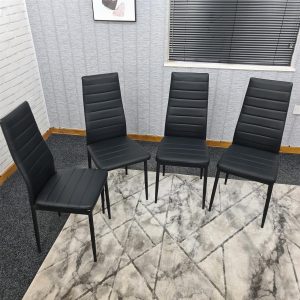
The description lists the seat as faux leather padded. Seat height is 44cm. Listed size is H96 x L40 x W40cm. Our care advice: light cleaning with a soft, damp cloth.
Shop: Dining Chairs Set of 4 Black Leather Kitchen Chairs
Dining Chairs Set of 6 Black Faux Leather Kitchen Chairs
Price: £124.99 (was £129.99). Best easy-care set for busy households. Six padded chairs.
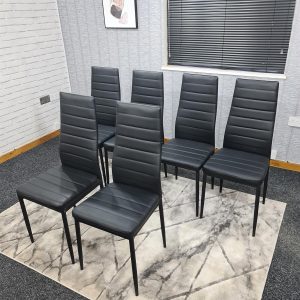
Seat height is 44cm. Listed size is H96 x L40 x W40cm.
Shop: Dining Chairs Set of 6 Black Faux Leather Kitchen Chairs
Dining Chairs Set of 4 Grey Plastic Kitchen Chairs
Price: £99.99 (was £109.99). Best for floor protection and quick cleaning.
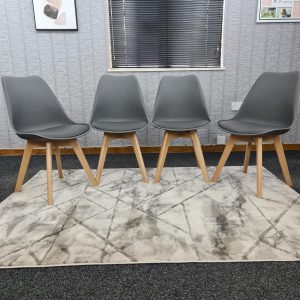
A matte polypropylene seat with soft padding and solid beech wood legs with rubber caps. Seat height is 44cm. Listed size is H83 x L57 x W49cm.
Shop: Dining Chairs Set of 4 Grey Plastic Kitchen Chairs
Dining Chairs Set of 4 Grey Velvet Kitchen Chairs
Price: £114.99 (was £124.99). Best soft seat if you do not mind a little extra care.
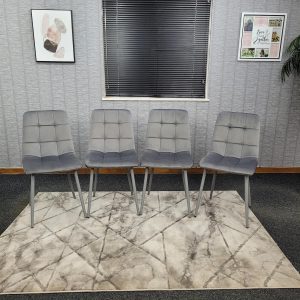
Soft grey tufted velvet with padding on the seat and back. Seat height is 45cm. Listed size is H87 x L59 x W44cm.
Shop: Dining Chairs Set of 4 Grey Velvet Kitchen Chairs
Dining Chairs Set of 2 Grey Velvet Kitchen Chairs
Price: £74.99 (was £99.99). Best velvet with rubber-capped legs for a smaller table.
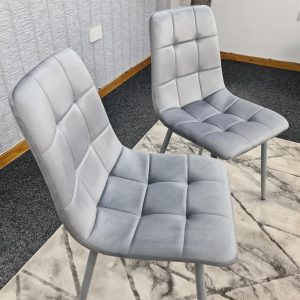
Two chairs with rubber-capped legs. Seat height is 45cm. Listed size is H87 x L59 x W44cm.
Shop: Dining Chairs Set of 2 Grey Velvet Kitchen Chairs
Browse the full range at Kosy Koala dining and kitchen chairs.
About the author
This article was written by the Kosy Koala team. We design and source furniture for UK homes, with a focus on practical details that matter once a piece is in your room. Have a question about any product on this page? Get in touch through our About Us page.


 Dining Tables
 Dining Chairs

 Bed Frames
 Mattresses
 Bunk Beds
 Sofa & Sofa Beds


